• Navigating a power political world

    The Institute’s new Commentary section, featuring articles by EUISS analysts on topical issues, kicks off with an article by the EUISS director on how the EU should respond to the challenges of an increasingly competitive and transactional international environment.

  • Image of winding road © Unsplash

    After Nagorno-Karabakh

    Although the bitter and protracted conflict over Nagorno-Karabakh is now over, the risk of further hostilities between Azerbaijan and Armenia remains high. This Brief argues that the EU should seek deeper strategic engagement in the altered geopolitical landscape as Moscow’s...

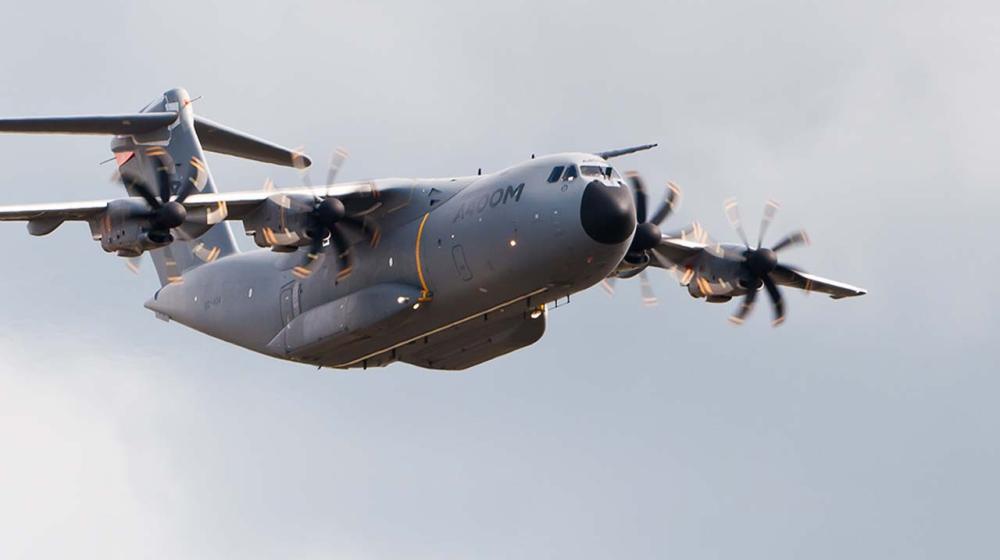
  • Image of a plane © Wikimedia

    Building weapons together (or not)

    Against the backdrop of the biggest rearmament effort in Europe since the 1950s, this Brief examines whether the EU defence industry is as fragmented as is commonly believed. It argues that new EU initiatives should focus on strengthening long-term demand for critical strategic...

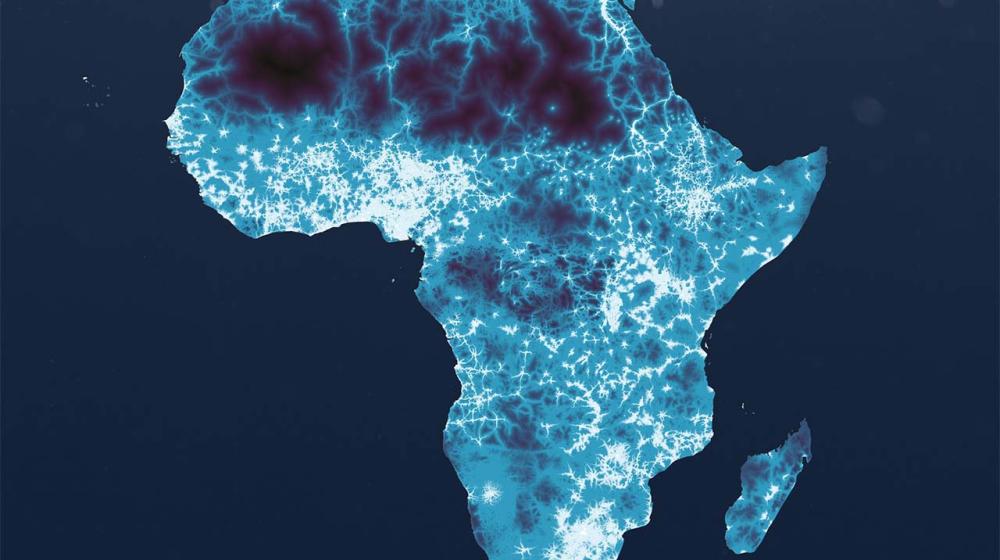
  • A map of Africa

    Africa Atlas

    Africa is experiencing a far-reaching social, economic and demographic transformation, while gaining increasing prominence in global geopolitics. To take account of these changes, this Chaillot Paper sets out to update our ‘mental map’ of the continent and zoom in on the trends...

  • Abstract image of human figure with illuminations © Unsplash

    From cyber to hearts and minds

    This brief examines how Cyber Influence Operations (CIOs) blend the use of cyber force with strategic interference in the Human Domain. It argues that CIOs are akin to 'dirty bombs' in cyberspace, where their initial 'blast' disrupts infrastructures through cyberattacks before...

  • Image of turquoise mosaic © Envato Elements

    The EU and North Africa

    This Chaillot Paper analyses the EU’s relations with five North African countries – Algeria, Egypt, Libya, Morocco and Tunisia. In particular it focuses on how the fallout of the war in Ukraine as well as the ongoing migration crisis have affected relations.

  • Image of India's G20 presidency logo © Unsplash

    India's G20 presidency

    As India prepares to host the G20 Leaders' Summit in New Delhi on 9-10 September, this Brief analyses the Indian government’s motivations in seeking to pursue such an active and high-profile presidency, focusing in particular on its various minilateral diplomacy initiatives.

  • Abstract image of glasses filled with water © Envato Elements

    Easing, suspending and phasing out

    This Brief examines the idea that compliance can be promoted through sanctions easing or relief. In particular, it shows how the gradual easing of sanctions employed in the field of development cooperation might be usefully transferred to the foreign policy realm.